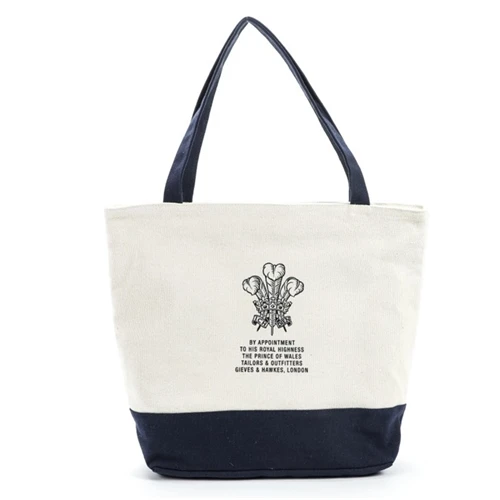
Wine packaging is more than a shell. It has three jobs at once. It shows the brand. It protects the bottle during transport. It's a great experience for buyers. Non Woven Wine Bags have become very popular in recent years. They are used by many shops, wineries and gift sellers around the world. They are replacing old paper bags and plastic bags. They are now one of the top choices for wine packaging. Here's a look at why that change. It focuses on materials science. It focuses on environmental rules. It looks at market demand. It also focuses on actual use cases.
1. Material Properties: Why Non-Woven Fabric Works for Wine Packaging
Nonwoven cloth is a flat material. It is made of adhesive or locking fibers. This is done by thermal, chemical or mechanical forces. It wasn't woven of yarn like normal cloth. Wine bags usually use polypropylene (PP) as a base fiber. The material has several important physical benefits.
First, it is highly tear resistant. Standard wine bottle weigh between 1.2-1.5kg. Glass is fragile, so bags must be able to carry heavy objects. Studies have shown that non-woven fabrics weighing more than 80 g/m2 can be held above 5kg. That's enough to buy a bottle or two. (Reference: Polymer Materials Science Publishing House, Fiber and Textile Physics, 2019)
Secondly, it is moisture-and waterproof. Temperature changes can cause water drops to form on glass bottles. The water softens quickly and breaks paper bags. But non-woven cloth doesn't absorb water. Its fiber structure retains its shape when wet. This is great for gift bags.
Third, it is highly customizable. Nonwoven fabric has good effect of hot pressing. It can be made into bags in a variety of sizes. Includes single, double and multi-bottle carriers. Screen printing and thermal transfer printing can be well attached to its surface. They also give better color quality than most kraft paper options.

2. The Environmental Dimension: The Logic of Reusable Packaging
Single-use plastic wine bags are now restricted or banned. This is because the the European Union, the United Kingdom and many countries in the Asia-Pacific region have laws on single-use plastics. On the other hand, life cycle assessment data for non-woven wine bags show a different picture. After four to six reuses, the carbon footprint of each non-woven bag is lower than that of a paper bag. (Reference: UK Department for Environment, Food & Rural Affairs (DEFRA), Supermarket Shopping Bags Life Cycle Assessment, 2011 Revision)
But there is one caveat. Whether non-woven fabrics are truly "eco-friendly" depends entirely on consumer choice. If one throws it away just once, it actually has a bigger impact on the environment than a paper bag. Therefore, in order to achieve environmental benefits, we need to combine product marketing with consumer education. This helps push people to reuse plastic bags more often.
Polypropylene non-woven fabric are theoretically recyclable. But in practice, recycling rates aren't the same everywhere. Depending on local recycling systems, they can vary widely from region to region. Some wineries are already buying bags made from recycled polypropylene, also known as PCR, after consumption. They take back used plastic to make new fabrics. This shuts down the cycle more completely.
3. Market Forces: The Gift Economy and Channel Requirements
Wine and Spirit Research Organization (IWSR) says demand for premium wine gifts in the Asia-Pacific region, particularly China, has surged around major holidays. Because of this, wrapping as a gift has become an important factor in people's buying.
Consumer research data shows that when people receive gifts, they notice the value of wrapping. This positive feeling was then associated with better brand recall. (Reference: Journal of Consumer Psychology, 2017, No. 27, Impact of Packaging Design on Perceived Value) Nonwoven wine bags feel better than regular paper bags. They stay in shape more firmly. They also look more like cloth tote bags. All of which makes the gift all the more valuable.
E-commerce also makes people want stronger packaging. Wine goes through a number of processing steps when sent through a courier networks. Paper bags often break or get wet and fail. But non-woven cloth bag has high tensile strength and water resistance. When used with good cushioning materials, they can make bottles safer throughout the process.

4. Cost Structure: An Honest Comparison with Alternatives
Cost is always a key factor when buying packaging. The table below provides a rough comparison of commonly used materials. These figures are based on reference values for bulk purchases. Actual prices may vary by region and supplier:
|
Material |
Estimated Unit Cost (100g basis weight, single-bottle) |
Typical Reuse Count |
Cost per Use |
|
Standard kraft paper bag |
Low |
1–2 |
Relatively high |
|
Non-woven wine bag |
Medium |
5–10 |
Lower |
|
Cotton wine bag |
High |
20+ |
Lowest |
|
Single-use plastic bag |
Very low |
1 |
Very high (including tax/regulatory costs) |
For high-frequency uses such as winery direct sales and event giveaways, Non Woven Wine Bags offer better overall value for money than paper bags. But for higher-end products, both cotton and linen fabric, it sends a stronger signal of quality.
5. Use Case Breakdown and Design Guidance
5.1 Retail Stores
In brick-and-mortar stores, wine bags serve two purposes. First, they make it easy to carry bottles. Second, re-display the brand after sale. When shoppers take a wine bag home, a clean, beautiful design often makes them want to keep it and use it again. Over time, this can give brands more exposure without the need for extra effort.
Weighing in at 75 – 90 g/ m2 for this type of use, single-sided printed bags are usually a good option. It is strong enough to keep production costs under control. 5.2 Wineries and Direct-to-Consumer Channels
In a winery environment, packaging needs to tell more of a brand story. People who buy alcohol there are willing to pay more extra for packaging, and it feels like the packaging has a story. A non-woven bag with full surface printing can show vineyard views, grape types pictures or harvest calendars. This has turned the bag into a way to share brand content, rather than just thing to bottle.
5.3 Corporate Gifts and Custom Orders
The B2B gift market can accept larger minimum orders. It also has high-end features. These include weights (100 g/m2 or more), velvet-lined or firmer soles. Some business clients also add embroidery to show off their culture. This makes the end product look more premium.
5.4 Cross-Border E-Commerce Fulfillment
In direct-to-consumer cross-border transport, Non Woven Wine Bags are mainly used for external packaging. They can help identify packages and prevent scratches. They work with bubble wrap or foam inserts. They are not the main protection against shocks. In this case, the bag's main job is brand recognition, not physical protection.
6. Common Misconceptions and Objective Limitations
Every material has its limitations, and non-woven wine bags are no exception.
First of all, some people think that non-woven cloth is always environmentallyfriendly. However, as mentioned earlier, green depends on how often you reuse it. If you just use a non-woven bag once, it has no greater impact on the environment than a paper bag. So at this point, honesty is important.
Secondly, some people think that all non-woven fabrics have the same strength. But the key factor is the weight of each area. Many cheap bags on the market weigh only 50–60 g/m2. The bottles were not strong enough to hold two 1.5kg bottles.
Third, some people think that the color quality of printed matter is always high. However, the fiber surface of a non-woven cloth does not contain ink like coated paper. Colour-changing designs may not get the right results. For work that requires precise detail, thermaltransfer laminating is better. But that makes each bag more expensive.
7. Industry Trends and the Road Ahead
UN Sustainable Development Goal 12 is about responsible consumption and production. That goal is affecting more supply chains. As a result, more and more retailers are asking suppliers for carbon footprint data on packaging materials. ISO 14044 was also published by the International Organization for Standardization (ISO). This provides a clear methodology for conducting life cycle assessments. The rule will encourage manufacturers of nonwoven bags to be more open about where their materials come from and how much energy they use in production.
At the same time, bio-based non-woven fabrics are becoming a new field of research. There are compostable non-woven fabrics made from sugarcane bagasse and corn starch. These are still in trial stages. But they may be used commercially in five to 10 years. (Reference: Advances in Advanced Fiber Materials, Bio-based Nonwoven Materials, 2022, Vol 4)
Conclusion
When we look at material performance, rules and laws, cost, and how consumers feel, Non Woven Wine Bags have a clear advantage in today's wine packaging market. This is especially true for gift giving, situations where people reuse bags often, and custom brand orders. But they are not the right choice for every case. The best material choice should always come from a real look at how many times the bag will be reused, who the buyers are, and what the brand stands for.
References:
- UK Department for Environment, Food & Rural Affairs (DEFRA). Life Cycle Assessment of Supermarket Carrier Bags. Revised 2011.
- International Wine and Spirit Research (IWSR). Global Wine Market Insights: Asia-Pacific Report. 2022.
- Journal of Consumer Psychology. "The Effect of Packaging Design on Perceived Value." Vol. 27, 2017.
- Advanced Fiber Materials. "Research Progress on Bio-based Nonwoven Materials." Vol. 4, 2022.
- International Organization for Standardization (ISO). ISO 14044: Environmental Management - Life Cycle Assessment. Current edition.