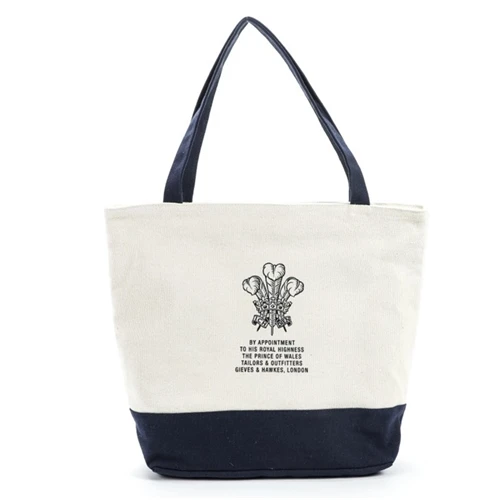
Retailers and brand owners often face challenges in choosing reusable bags. They want to print plastic for a clean, polished look, but they also want the fabric to feel and be reused, as shoppers expect. Layering meets both needs. Laminated Non Woven Polypropylene Bags are widely used in high-end retail, food delivery and brand promotion due to their appearance and performance.
Biaxially oriented polypropylene film binds to the surface of standard nonwoven fabric. This process changes the way paper bags handle water, dirt, printing ink and abrasion. The benefits are clear and measurable. However, there are trade-offs to this material, particularly with regard to recycling claims.
What layering actually changes
The base material is polypropylene non-woven fabric. Usually 80-120g per square metre. Polypropylene fibers are held together by melt-blowing or spun-bonding polypropylene fibers. The fabric itself was permeable. Light can pass through a layer and water can easily penetrate.
Layering binds a clear polypropylene film, usually 12 to 30 microns thick, to one or both sides of the fabric. Heat and pressure are used for bonding. solvent adhesives are not used in most production lines.
It turned out to be a composite. Thin film on the outside, fibers on the inside. Film preserves prints and prevents bags from fraying. The fabric supports loads, keeps the bag light and folds easily.
There are three common types of film finishes: glossy, matte and pearl or textured. Gloss brightens the color. Matte reduces glare and fingerprints. Jewellery or textured finishes give the bag a premium feel. The finished product is mainly about changing the appearance and feel. It has less effect on the structure and performance of cloth bag.
Waterproofing
The main advantage of laminated bags is that water cannot pass through them. An unlaminated non-woven bag are like paper towel. A spilled drink or rainwater soaks the fabric, wetting the contents and making the bag dirty and heavy. Thin film layers form a continuous barrier on the surface. It keeps water out, not the fabric.
This makes the bag useful in more situations. Grocery shopping with frozen food, carrying wine and fresh produce with condensation, beach trips, picnics and food delivery can all involve moisture. Over time, the moisture can damage an unlaminated bag. A laminated bag can be wiped clean and used again on the same day. For food delivery services and grocery bag brands, where condensation is common, this moisture barrier is often a key reason to opt for laminate over regular fabrics.
A guardrail can also help protect the bag. Repeated wetting and drying can damage non-woven fabrics. Fibers will loosen, edges will fray out and bags will lose shape. Keeping the fabric dry keeps the bag in good condition for longer.
Strength and Load-Bearing Performance
The second benefit is more power. Thin film glued to the fabric helps spread the load. When a heavy object is pushed into an area, the film disperses the force to a larger part of the fabric. This takes the pressure off the fiber. The result is better resistance to tearing in corners and handling is additional. These are two common areas of packet failure.
Load capacity depends more on the weight of the fabric and the structure of the bag than on the film. But the layering allows the bag to have greater strength within the rated load range. In many designs, a 100 gsm laminated bag can carry a load similar to that of a 120 gsm unlaminated bag of 120gsm. This allows brands to use lighter, cheaper fabrics while meeting load demands. The film can also cover small gaps between fibers. This makes it harder for sharp objects, such as box corners or the lid of a can, to pass through the fabric and start tearing.
Treatment intensity requires individual attention. Thin film does not directly strengthen the handle, which is usually made of the same fabric. But the longer life of the bag, the more use cycles the handle can experience. Double-stitched handle attachments and heavier fabrics around the treatment area remain the most important specifications, regardless of whether the bag is laminated or not.

Printing Quality and Visual Effects
There is a major problem with printing on non-woven fabrics. The ink fell on the rough surface. Details make the difference, colors make the difference. Layered by giving the ink surface smooth and uniform to solve this problem. That's why laminated Laminated Non Woven Polypropylene Bags are often used when brands need clear logos and accurate colours. Small text stays clear, the logo stays color, and the gradient looks smooth, rather than breaking in the gap between the fibers.
Layering also gives the bag appearance better. Gloss lamination creates a bright, sleek look, which is common in high-end retail packaging. Matte lamination reduces glare in store lights. This works for both photo-based designs and luxury brands. Both finishes protect the printed surface. The film covers the ink and helps protect it from scratches and creases, and can be worn to print in an unlaminated bag.
For branded bags, this can make the product look more like a retail package than a simple promotional bag. After several months of use, the printed surface is also kept clean.
Cleaning and maintenance during daily use
Laminated bags are easier to clean. This is good for everyday use. The laminated surface can be wiped down with a damp cloth. Coffee, grease, mud and marker stains remain on the surface, not soaked in fiber. Unlaminated bags absorbs stains from the fabric. They often need to be machine washed, causing more wear and tear over time.
This is also important for food-related uses. Delivery bags, lunch bags and grocery bags can be wiped clean between uses. This helps to clear out spilled food and keep the bag cleaner. It applies to takeaway and delivery items, where condensation and food residue are common.
The Environmental Trade-Off That must be addressed
Layering has its drawbacks. It can improve the strength and printing quality of the bags, but it can also make recycling more difficult. Films and fabrics stick together, making them difficult to separate in a normal recycling systems. A laminated bag cannot simply be mixed with plain PP non-woven fabric and sent to the same recycler. Brands claim their bags are recyclable and should check what they accept for recycling. They should also follow ISO 14021 rules on self-declared environmental claims and avoid unclear claims.
Longer lifespans can help balance the problem. A laminated bag last 2-3 times longer than non-composite bags and can replace more single-use bags in their useful life. This can be important when comparing environmental impacts based on the number of uses. The film is also light compared to the fabric. It usually accounts for about 5% to 10% percent of the total bag weight.
FAQ
Are laminated Non Woven Polypropylene Bags waterproof?
They are normally waterproof. The film layer prevents water from passing through the fabric. Rain, spills and condensation do not easily dampen the contents. However, the bags are not completely submerged. The seams and handles are sewn together, so if the bag stays underwater for a long time, water can enter through the seams.
Can laminated bags make recycled?
This makes recycling more difficult. In a single polymer bag, both the film and fabric are made of polypropylene. However, they may need to be separated or treated by a recycler process laminate. Brands should check whether their recycler accept the bags. They should also comply with ISO 14021 rules when making recycling claims.
How does lamination affect the price of cloth bags?
Layering adds a small cost to each bag. It's usually a few percentage points higher than the same mezzanine bag. The cost of installing the coating is also low. This extra cost balances longer bag life, opting for lighter fabrics and better printing quality.
Which gloss or matte should I choose?
It depends on what look you want. Gloss offers bright colors and is often used in retail and promotional bags. Matte reduces glare and fingerprints. It also gives the bag a photo-based design and a premium look from the luxury brands. The finish does not affect the bag's basic strength.
Source of information
- ISO 2076, Generic Names for textiles-Man-Made Fibres
- ISO 9001, Quality Management Systems
- OEKO-TEX Standard 100, Test Criteria for Textile Products
- EU REACH Regulation (EC) 1907/2006, Chemicals in Consumer Goods
- ISO 14021, Environmental Labels and Declarations - Self-Declared Environmental Claims
- GRS, Global Recycled Standard (Textile Exchange), Content Claims Standard